



How Do I Become A Forex Trader?


Key Takeaways
- Trading success is built over time, not overnight
- There is no single “perfect strategy”
- Psychology and discipline matter more than strategy
- Risk management is essential for long-term survival
- Consistency is more important than large profits
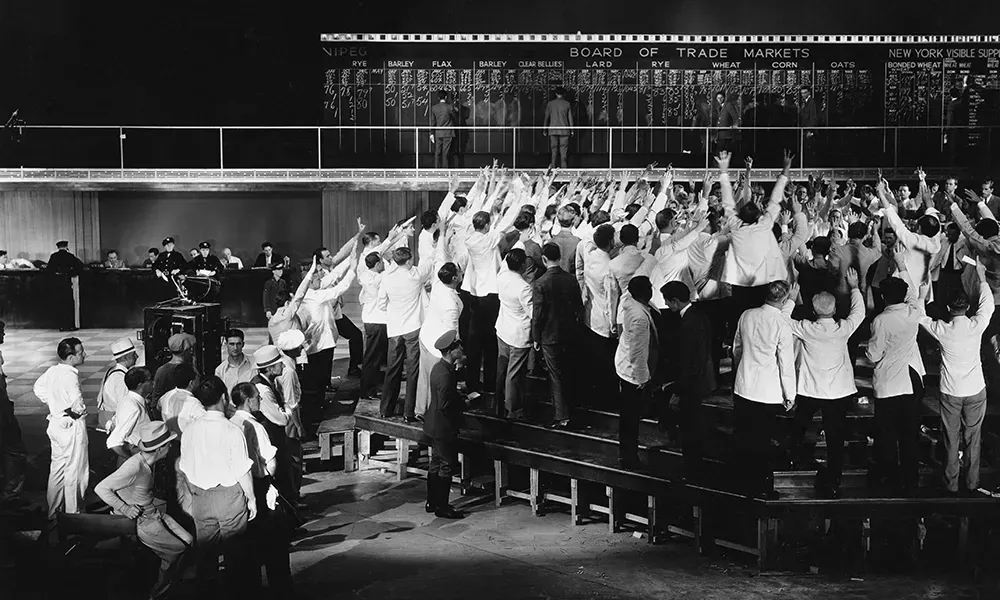
Becoming a professional trader takes time, it doesn’t happen overnight. There is no perfect strategy out there that people use to become successful professional traders, as many people believe. Rather, they develop their skills over time. One great mistake that beginners make is to believe all the information they come across when researching about trading.
They end up losing precious time applying ineffective strategies. Professional traders have gotten where they are by making losses, learning from their mistakes and verifying every strategy they come across to find out which one works and which one doesn’t. Verifying a strategy entails looking at various charts and determining whether it is profitable or not.
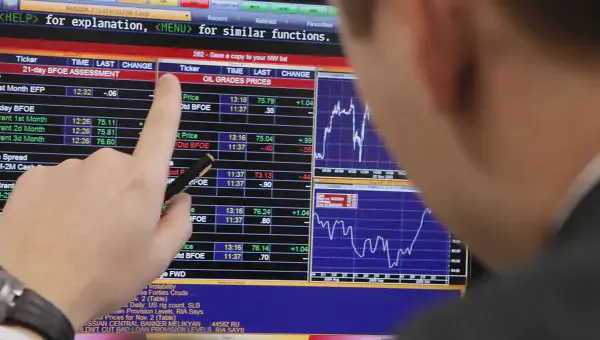
There are many successful traders out there who have mastered trading the likes of George Soros, Andrew Krieger, Stanley Druckenmiller, Warren Buffet.
They are proof that it is possible to create or increase wealth through trading. These people share characteristics such as being passionate and consistent, something many amateur traders lack. They have also invested a lot of time acquiring knowledge about this field and do not just rely on following the crowd or asking for guidelines from other traders. They also have the right psychology for trading. Trading in the live market can be a roller coaster of emotions for beginners and only those with the right mindset about wealth and money can succeed.
Another important thing that every new trader who wants to become a pro should realize is that a small deposit of $500 and less will not make them millionaires. What they should be concerned about when starting off is making consistent small wins over time and learning all they can about trading along the way.
Learn More: Trading Coach To $30k Funded Trader: Melodee’s Secrets To Mastering Forex & Achieving Financial Freedom!
Professional traders keep trading journals, which they refer to from time to time for the purpose of assessing their trading strategies and performance. Therefore, at first, you should not be concerned with becoming rich rather you should focus on mastering the game.
What does it take to become a professional trader?
Becoming a professional trader requires:
- Strong understanding of trading basics
- A tested and consistent strategy
- Emotional discipline and risk management
- Continuous learning and performance tracking
There is no shortcut—success comes from consistency, not quick wins.
Here Are The Stages That Professional Traders Go Through To Learn To Trade:
Learn The Basics
Education is important if someone wants to develop a certain skill. Forex trading is not any different. If you want to become a professional trader, you should invest time and effort learning the basics of trading. When it comes to Forex, for instance, you should know what it entails from its history to how it works. You should also learn about risk management, trading hours, pip values and order types among other things. Once you have learned the introductory concepts, you should also learn about price action, which is the most basic strategy that other strategies are built on.
It is advisable to learn the basics instead of jumping straight into the trading field without some knowledge to draw from. There is no short cut to success and Forex is one place where this philosophy holds true. So do not sleep on your laurels and wait to make money on Forex, you have to do your homework, study, and research extensively. If it means taking an online course, do it because it will be worth it in the end.

Trade with real capital. No guesswork—just a clear path to becoming a funded trader.
Start Your Trading JourneyFind Your Strategy And Stick To It
Professional traders will tell you that you cannot survive in the trading arena without a good strategy, one that you truly believe in. Basically, having a strategy means you know the possible market movements and how you are going to act. The strategy should be one that you have tested and proven that it works. The best strategy to use in Forex is the price action.
Also Read: Uk Economy : What Next ?
It will help you to master chart reading, which is crucial in Forex trading. Price action enables you to know when to enter a market and how to analyze the volatile market conditions. It consists of prices bars and candlesticks that help you analyze price action minute by minute, patterns, support, resistance and the swings. Price action analysis is subjective, and everyone has their own way of analyzing the patterns.
There are many other strategies available such as a positional trading, swing trading or scalping. The secret is to find the one that you like most and master it. Developing a strategy is a long process that requires a lot of patience. Do not give up along the way, just stay on course and you will be successful in the end. Over time, you will develop a trading plan that will help you trade like a pro and avoid trading with emotions.
Demos And Why They Are Important
A demo is an important tool for anyone who wants to learn to trade. However, you should not over trade on a demo. Your ultimate goal of trading with a demo account should be to eventually switch to a live account because you cannot make real money with a demo. If you want to make money at some point, you should have the courage to trade with a live account.
Hidden Talents
A demo is important because it will help you get the feel of trading in a real market. It will also help you know trading basics such as how to place a trade and stop-loss orders among other things that you cannot learn theoretically. It will help you overcome the anxiety of placing an order. One thing you should avoid when you want to become a successful trader is procrastinating, and a demo can help you deal with this issue.
Related Read: What Are Spreads On Audacity Capital?
Practicing is vital when it comes to trading. A demo is designed for this, and it will help you test out your strategies without the risk of losing any money. While practicing will not make you perfect, it will help you improve your performance. Losses are part and parcel of trading; the important thing is to ensure that the wins are more and greater than the losses.
One month is a reasonable period of trading with a demo account. Try not to spend too much time on a demo; you should not go beyond the third month.
When you move to a live account, avoid all the mistake new traders make which we highlighted in the previous article, and you will set yourself up for success.
Market Traders Motivation
Develop Trading Psychology
One of the most overlooked aspects of trading is psychology. Even with a solid strategy, traders often fail due to emotional decision-making.
Common psychological challenges include:
- Fear of losing money
- Overtrading after losses
- Revenge trading
- Lack of discipline
Professional traders manage these by:
- Following a strict trading plan
- Accepting losses as part of the process
- Staying consistent regardless of short-term results
Trading is not just a technical skill—it is a mental game. Mastering emotions is what separates consistent traders from the rest.
Transition to Live Trading
Moving from demo to live trading is a critical step. This is where:
- Emotions become real
- Risk management becomes crucial
- Discipline is tested
Start small and focus on:
- Protecting capital
- Executing your strategy consistently
- Avoiding impulsive decisions
The goal is not immediate profit, but long-term consistency.
Track, Review, and Improve
Professional traders constantly evaluate their performance. This includes:
- Maintaining a trading journal
- Reviewing winning and losing trades
- Identifying patterns and mistakes
Improvement comes from:
- Data-driven decisions
- Continuous learning
- Adapting to market conditions
Final Thoughts
Becoming a professional trader is a journey of:
- Learning
- Practicing
- Failing
- Improving
There are no shortcuts. Success comes from discipline, patience, and consistency over time.
Instead of chasing quick profits, focus on:
Building skills
Managing risk
Staying consistent
That’s what truly separates professionals from beginners.
FAQ
The first step is learning the basics of trading, including market structure, risk management, and how trades are executed.
It typically takes months to years, depending on consistency, learning speed, and practice.
No. Beginners should focus on learning and consistency rather than starting capital.
Most traders fail due to lack of discipline, poor risk management, and emotional decision-making.
Yes. Demo trading helps build confidence and test strategies without financial risk.

Ready to apply disciplined risk to crypto? Explore Audacity Capital's new crypto instruments and bring your trading strategy.
Learn MoreNewsletter
Join our newsletter to stay up to date on features and releases.
Join Our Social & Community

Start Your Journey Today With Our Free Trial
Proudly showcase your skills and accomplishments through certificates and get recognition for your hard work and dedication from potential investors and peers.
Free TrialRelated Articles

10 Best Futures Prop Firms for Swing Trading In 2026
Compare the best futures prop firms for swing trading in 2026 with overnight holding, flexible rules, fast payouts, and funded accounts.


Introducing Ability One: One Step To Funding With Static Drawdown
The First 30 Days: What New Traders Should Focus On (And Ignore)

Are Volumes Useful In Forex Or Not?
Learn how trading volume helps forex traders confirm trends, identify market strength, and improve decision-making with practical insights.